
Sarah Paine — Why Japan lost WWII (lecture & interview)
Dwarkesh Podcast
2025/01/23
Sarah Paine — Why Japan lost WWII (lecture & interview)
Sarah Paine — Why Japan lost WWII (lecture & interview)
Dwarkesh Podcast
2025/01/23
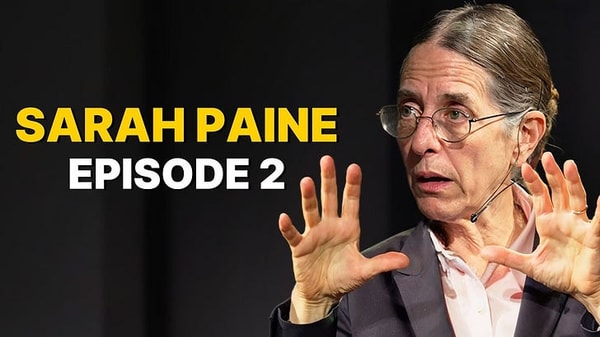
In this second episode of a trilogy of lectures by Professor Sarah Paine, the focus shifts to the ideological, economic, and strategic foundations of Japanese imperialism leading up to and during World War II. The discussion delves into how Japan's internal belief systems, particularly Bushido, shaped its military decisions and how cultural values like honor and loyalty influenced wartime conduct. The lecture also explores logistical failures, inter-service rivalries, and the broader geopolitical pressures that contributed to Japan’s war efforts.
Professor Paine outlines how Japan’s military culture, rooted in Bushido, prioritized valor over strategic analysis, leading to poor assessments of American power and resource constraints. She examines how religious traditions—Buddhism, Shinto, and Confucianism—influenced national identity and military ethics. Economic pressures, including an oil embargo, pushed Japan toward war, while internal military disorganization and rogue actions, such as those of the Kwantung Army, exacerbated strategic failures. The lecture also covers post-war consequences, including demilitarization, U.S.-Japan relations, and the moral and strategic implications of sanctions and unconditional surrender. Paine emphasizes the importance of understanding history from different cultural perspectives to avoid repeating past mistakes.
10:47
10:47
The samurai way emphasizes dying for one's master and avoiding shame through death.
20:09
20:09
Yamamoto believed learning military tactics was useless; immediate action was the samurai way.
26:54
26:54
Japan's over-extension led to increased foreign aid to China.
37:21
37:21
Prince Higashikuni Narahiko stated that the loss of transport shipping caused Japan's defeat.
38:12
38:12
U.S. submarines paralyzed Japanese sea lines of communication due to neglected convoy duty.
49:32
49:32
Four out of twelve Japanese carriers lost at Midway
56:56
56:56
Scale introduced Defense Llama for military personnel to use AI in operations.
1:03:53
1:03:53
The West prioritizes logical consistency while the East may value social harmony and group loyalty.
1:08:14
1:08:14
Transforming Japan into a democracy was considered a win after WWII.
1:11:30
1:11:30
Tojo claimed Japan would have agreed to a proposed modus vivendi if terms were clear.
1:19:43
1:19:43
Takahashi Korekyo advised cooperation within the international system but was murdered in the February Young Officers Revolt in 1936.
1:27:30
1:27:30
Japan's belief in their living deity leader may have fueled unrealistic war ambitions.
1:27:56
1:27:56
Japanese optimism was based on underestimating American resolve
1:30:54
1:30:54
Japan's Meiji Restoration created institutional fragility despite rapid modernization.
1:38:23
1:38:23
Pearl Harbor was a tactical success but a strategic disaster.
1:47:14
1:47:14
Limited war strategies may be more viable than full regime change.
1:53:03
1:53:03
Unconditional surrender demand may have increased civilian casualties
1:54:09
1:54:09
Demilitarizing Japan hindered regional stability post-WWII.
2:01:00
2:01:00
The speaker used Japanese-perspective books to better understand their WWII actions.
2:03:46
2:03:46
The Allies shared resources and had unified commands, while the Axis powers had misaligned primary enemies and goals.
