
scripod.com

20VC: Inside Sequoia's Investment Committee: Lessons from Don Valentine, Doug Leone and Alfred Lin | How the SpaceX and Citadel Deals Went Down | What Sequoia Specifically Looks for in Founders with Julien Bek

Shownote

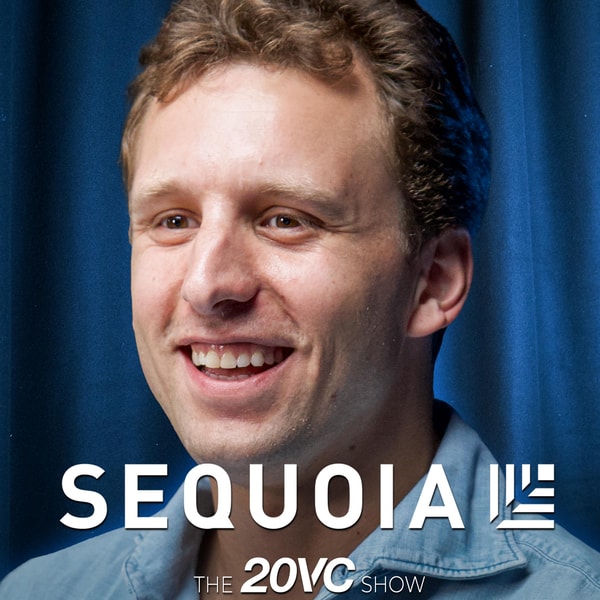
Julien Bek is a Partner at Sequoia Capital, one of the most renowned venture firms in the world. At Sequoia, he has partnered with companies including Rillet, Tacto, and Auctor. Before joining Sequoia, Julien spent five years at Accel, where he worked with companies including Miro, Melio, and BeReal. He is also an angel investor in Revolut and Attio. AGENDA: 06:35 – What did Julien only discover about Sequoia after joining the firm? 08:05 – What does everyone get wrong about Sequoia? 13:00 – Is Series A the hardest stage at which to invest today? 14:00 – Is Sequoia less focused on ownership as outcomes become larger? 19:20 – Does Sequoia simply pay more than everyone else to win deals? 22:00 – Is the "triple, triple, double, double" growth model dead? 25:00 – What is Sequoia's investment process really like behind the scenes? 27:15 – Can a partner still invest when the rest of Sequoia votes against them? 30:00 – Why can a flawless founder pitch actually be a warning sign? 31:00 – How do you judge whether a founder is exceptional in just 30 minutes? 33:00 – How can investors tell whether a founder's story is genuine? 35:10 – Is arrogance a bad trait in a founder? 36:00 – Which great founder did Julien completely misread? 37:15 – How should investors adjust their founder assessment across different cultures? 39:00 – What does a founder's childhood reveal about their future trajectory? 40:30 – What has Julien learned from Doug Leone, Pat Grady, Alfred Lin and Shaun Maguire? 47:00 – What does it mean when "agents become the new customer"? 49:00 – Does UI become irrelevant in an agent-first economy? 50:15 – Will answer-engine optimisation become larger than SEO? 52:00 – Will AI agents destroy software margins and brand loyalty? 53:00 – How quickly will enterprises allow agents to make purchasing decisions? 54:00 – Is AI infrastructure a safer investment than applications? 56:00 – Do software margins matter less when the potential outcomes are larger? 58:00 – Could the next trillion-dollar company masquerade as a services business? 01:00:00 – Which service industries can AI truly automate end-to-end? 01:02:00 – Are enterprises simply crying out for more help implementing AI? 01:03:10 – Will AI lead to dramatically smaller teams? 01:06:15 – Is traditional private equity screwed? 01:07:00 – The most overfunded and underfunded categories in venture 01:08:15 – What is the best AI agent company outside Sequoia's portfolio? 01:09:00 – Which missed investment still haunts Julien? 01:09:45 – Which founder trait will Julien never compromise on? 01:10:00 – Which competing fund makes Sequoia bring its A-game? 01:10:45 – How Julien missed Revolut—and helped his mother retire by investing anyway 01:14:00 – What does Julien believe that other Sequoia partners might disagree with? 01:15:00 – What is Julien most excited about over the next five years of AI?

Highlights

This conversation examines how conviction, founder judgment, and emerging AI capabilities are reshaping venture investing and the future of work.
02:46
Care for others can drive extraordinary achievement
06:35
Sequoia hires people who work like champions.
10:50
Billion-dollar valuations may become the new Series A
13:00
Physical AI demands more time, capital, and collaboration
16:22
Great investments often begin as controversial bets.
19:20
Partner early rather than overpay later.
22:02
Long-term ownership matters more than fundraising momentum.
25:07
Live pitches reveal more than prepared materials
27:15
Honest disagreement strengthens investment decisions
30:05
Strong investments still need serious challenge
31:03
Vulnerability reveals exceptional founders
33:01
Repeated questions expose fraudulent founders
35:11
Arrogance can hide either strength or weakness.
36:01
First impressions can misjudge great founders
37:16
Cultural context shapes how founders are judged
39:00
Judge the journey, not just the résumé
45:24
Great operators do not always become great founders
47:00
The next customer may be an AI agent
49:02
AI agents may weaken traditional brand loyalty
50:16
AI agents could pressure software margins
52:00
Core systems remain sticky despite AI agents
53:01
AI infrastructure may outlast application providers
54:05
Different AI paths can lead to massive outcomes
56:01
Open models may power the machine-to-machine AI era.
58:01
AI agents turn services into scalable software businesses.
1:00:05
Today’s judgment data may become tomorrow’s machine intelligence.
1:02:04
AI scales productivity without replacing human judgment
1:03:13
Smaller teams can still create more jobs.
1:06:16
Private equity and venture capital pursue different outcomes
1:07:01
The biggest opportunities may lie in underfunded specialties.
1:08:17
AI agents may define the next wave of software
1:09:00
Great companies can succeed despite future competition
1:09:46
Intensity drives ambitious infrastructure businesses
1:10:01
Even successful investors face painful early losses
1:10:48
One investment helped his mother retire
1:14:01
Distinct voices build brands founders trust
1:15:03
AI could transform medicine, biology, and humanity.

Chapters

Conviction, Family, and Values in Investing
00:00
What did Julien only discover about Sequoia after joining the firm?
06:35
What does everyone get wrong about Sequoia?
08:05
Is Series A the hardest stage at which to invest today?
13:00
Is Sequoia less focused on ownership as outcomes become larger?
14:00
Does Sequoia simply pay more than everyone else to win deals?
19:20
Is the "triple, triple, double, double" growth model dead?
22:00
What is Sequoia's investment process really like behind the scenes?
25:00
Can a partner still invest when the rest of Sequoia votes against them?
27:15
Why can a flawless founder pitch actually be a warning sign?
30:00
How do you judge whether a founder is exceptional in just 30 minutes?
31:00
How can investors tell whether a founder's story is genuine?
33:00
Is arrogance a bad trait in a founder?
35:10
Which great founder did Julien completely misread?
36:00
How should investors adjust their founder assessment across different cultures?
37:15
What does a founder's childhood reveal about their future trajectory?
39:00
What has Julien learned from Doug Leone, Pat Grady, Alfred Lin and Shaun Maguire?
40:30
What does it mean when "agents become the new customer"?
47:00
Does UI become irrelevant in an agent-first economy?
49:00
Will answer-engine optimisation become larger than SEO?
50:15
Will AI agents destroy software margins and brand loyalty?
52:00
How quickly will enterprises allow agents to make purchasing decisions?
53:00
Is AI infrastructure a safer investment than applications?
54:00
Do software margins matter less when the potential outcomes are larger?
56:00
Could the next trillion-dollar company masquerade as a services business?
58:00
Which service industries can AI truly automate end-to-end?
1:00:00
Are enterprises simply crying out for more help implementing AI?
1:02:00
Will AI lead to dramatically smaller teams?
1:03:10
Is traditional private equity screwed?
1:06:15
The most overfunded and underfunded categories in venture
1:07:00
What is the best AI agent company outside Sequoia's portfolio?
1:08:15
Which missed investment still haunts Julien?
1:09:00
Which founder trait will Julien never compromise on?
1:09:45
Which competing fund makes Sequoia bring its A-game?
1:10:00
How Julien missed Revolut—and helped his mother retire by investing anyway
1:10:45
What does Julien believe that other Sequoia partners might disagree with?
1:14:00
What is Julien most excited about over the next five years of AI?
1:15:00

Transcript

Julien Bek: Everyone thinks that we're just waiting for the phone to ring for the next Anthropic to call us to invest. That's completely false. Everyone at Sequoia is a hunter. If you look at founders you like versus founders who make money. As a two by tw...