
Buddhist Teacher: No One Is Talking About This Hidden Epidemic! The Western Lie Behind Depression and Anxiety
The Diary Of A CEO with Steven Bartlett
2025/06/23
Buddhist Teacher: No One Is Talking About This Hidden Epidemic! The Western Lie Behind Depression and Anxiety
Buddhist Teacher: No One Is Talking About This Hidden Epidemic! The Western Lie Behind Depression and Anxiety
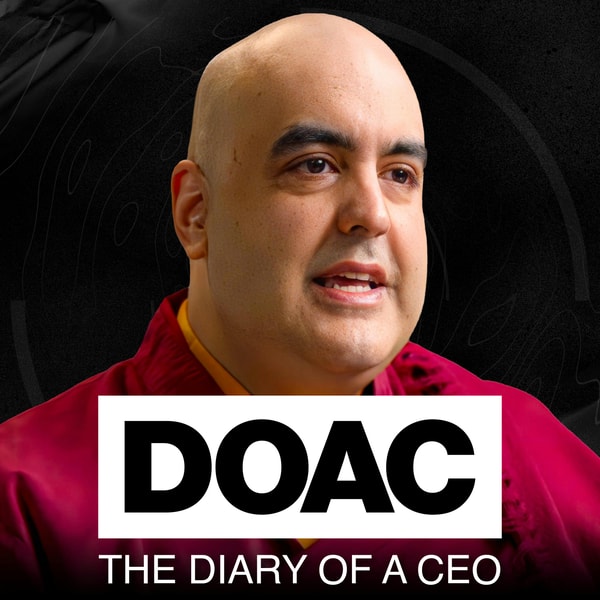
The Diary Of A CEO with Steven Bartlett
2025/06/23
In a world increasingly defined by distraction, disconnection, and emotional unrest, meditation emerges not as an escape, but as a profound tool for transformation. Gelong Thubten, a Buddhist monk with years of deep retreat experience, offers a candid exploration of the mind, revealing how modern suffering is less about external circumstances and more about our relationship with inner pain, fear, and identity.
Thubten challenges the notion that purpose and happiness come from external achievements, arguing that Western culture’s focus on goals and consumption fuels anxiety and emptiness. He shares his personal journey from trauma and breakdown to healing through meditation, emphasizing that true change begins by facing pain rather than fleeing it. Meditation, he explains, is not about stopping thoughts but developing awareness and compassion toward them, creating space between impulse and reaction. This practice rewires the brain, fosters emotional resilience, and allows us to let go of fixed identities, including victimhood. By meeting suffering with kindness—especially through bodily awareness and forgiveness—we transform pain into connection and clarity. Thubten advocates for daily mindfulness, accessible retreats, and a shift from fear-based living to intentional presence, offering a path not to perfection, but to authentic, compassionate being.
01:15
01:15
Running from pain is futile; facing it through meditation leads to transformation
03:14
03:14
Constant persuasive information from phones increases stress and feelings of lack
03:54
03:54
The 'wanting mind' is insatiable and drives our search for purpose.
09:45
09:45
What we're looking for is already within us.
11:39
11:39
The root of my unhealthy relationship with my mind lies in early-life traumas I didn't know how to handle
16:58
16:58
It's hard to get expelled from Oxford, but I was thrown out due to non-functionality.
19:03
19:03
Tara invited me to Samyaling to heal from a heart condition
19:53
19:53
A one-year retreat plan led to 30 years of monastic life.
20:54
20:54
Celibacy led to deeper, heart-based friendships
22:25
22:25
Celibacy in Buddhism is about transforming desire, not suppressing it.
24:26
24:26
The deepest addiction is to our own thoughts.
27:06
27:06
Buddhism is more accurately described as the science of awareness rather than a religion with worship or creator gods.
29:48
29:48
Meditation is not about clearing the mind.
31:33
31:33
Realizing the mind has wandered without judgment is the core of meditation practice.
36:45
36:45
You are bigger than your pain — observe your mind like the sky watching clouds
44:03
44:03
Calmness in meditation means keeping a cool head under pressure, not being overly relaxed
48:41
48:41
Buddhist concept of emptiness discussed as a path to understanding impermanence
48:53
48:53
We suffer not because of pain itself, but our attachment to it as identity
57:37
57:37
One should not make life-changing decisions during a panic attack.
1:01:27
1:01:27
Acceptance means deep compassion, not grim endurance.
1:04:49
1:04:49
Feeling love for a scared part of oneself is possible by focusing on bodily sensations instead of memories.
1:09:04
1:09:04
Sending love into the pain helped with forgiveness and making peace with death.
1:10:26
1:10:26
Flood traumatic feelings with love to transform them
1:16:15
1:16:15
Suffering can be transformed into compassion through understanding others' confusion.
1:20:16
1:20:16
The host invites 10,000 people to join the private 'Diary of a CEO' community, offering access to exclusive content and direct interaction.
1:22:14
1:22:14
Digital news media uses fear to attract readers
1:25:06
1:25:06
Micro-moments of meditation in traffic jams or queues can change your brain's response to stress
1:27:19
1:27:19
Meditation helps us pause and choose a response instead of reacting impulsively
1:28:17
1:28:17
After four days of 10-minute daily meditation, visible brain changes can be seen.
1:31:24
1:31:24
I initially hated meditation and felt more unhappy because I was using it like a drug to get high
1:38:23
1:38:23
Brain scans show visible changes from meditation in four days
1:42:31
1:42:31
Working on the mind is an ongoing process, not a one-time achievement
1:43:15
1:43:15
Meditation offers freedom and happiness similar to what people seek from addictions.
1:45:30
1:45:30
Buddhist centers offer retreats without pressuring people to convert
1:45:54
1:45:54
Everyone has the potential to awaken, like a crystal beneath layers of mud.
1:50:25
1:50:25
Don't feel like a failure when your mind wanders in meditation—it's part of the practice.
