Chevron, Venezuela and the Paradox of Plenty
Planet Money
Jan 17
Chevron, Venezuela and the Paradox of Plenty
Chevron, Venezuela and the Paradox of Plenty
Planet Money
Jan 17
Few corporate-nation relationships are as paradoxical as the one between Chevron and Venezuela. Over nearly a century, their fates have been deeply intertwined, shaped by oil booms, political upheavals, and global power shifts—all against the backdrop of a country rich in resources but plagued by instability.
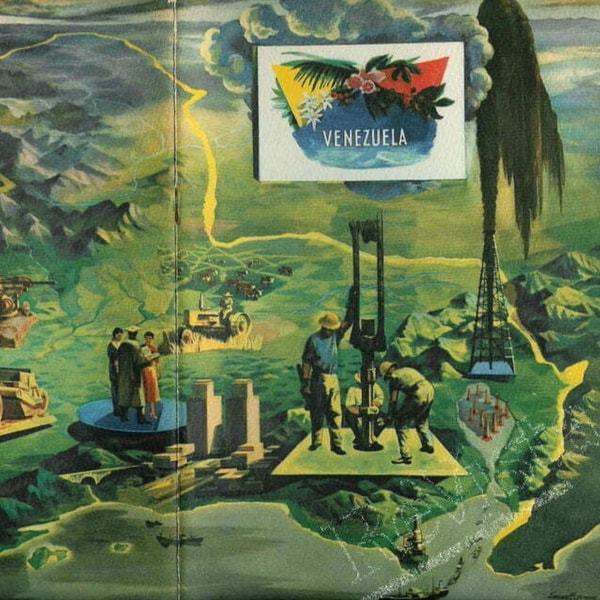
Venezuela’s discovery of oil at Lake Maracaibo in 1922 turned it into the world’s first petrostate, triggering economic transformation and early signs of the Dutch Disease. A landmark 50-50 profit-sharing deal empowered national control and helped launch OPEC, bringing temporary prosperity. But overreliance on oil led to volatility, mismanagement, and inequality, setting the stage for Hugo Chávez’s rise in 1999. After his nationalization wave, most foreign oil companies fled—except Chevron, which stayed through negotiations and sanctions. Today, Chevron remains a key player, producing a quarter of the country’s oil, while others see Venezuela as too risky. The crisis has driven millions to leave, including vital oil experts, deepening what analysts call a 'political resource curse'—where oil wealth fuels instability rather than progress.
06:43
06:43
The 1922 oil gusher at Lake Maracaibo transformed Venezuela into the world’s top oil exporter almost overnight.
12:59
12:59
Juan Pablo Perez Alfonso initiated Venezuela's oil nationalism, leading to the 50-50 agreement with Chevron and the Seven Sisters.
32:15
32:15
Exxon's CEO says Venezuela is uninvestable due to legal, commercial, and operational issues
