On Gun Control, Two Big Steps In Opposite Directions
Consider This from NPR
2022/06/27
On Gun Control, Two Big Steps In Opposite Directions
On Gun Control, Two Big Steps In Opposite Directions
Consider This from NPR
2022/06/27
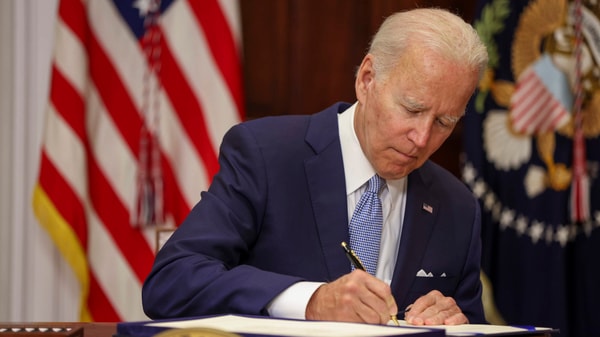
Last week marked a pivotal moment in the national conversation on gun policy, as legislative and judicial branches of the U.S. government delivered contrasting visions for the future of firearms regulation. While Congress enacted new measures aimed at curbing gun violence, the Supreme Court simultaneously expanded constitutional protections for gun ownership—setting the stage for a complex and uncertain path ahead.
The federal government passed its most significant gun legislation in decades, bolstering background checks for young buyers, closing the 'boyfriend loophole' in domestic violence restrictions, and funding red-flag laws and community violence intervention programs. These efforts aim to reduce everyday gun violence through public health strategies. Yet, on the same week, the Supreme Court’s 6-3 ruling struck down New York’s concealed carry law, asserting a broad individual right to carry handguns in public. This decision not only invalidates similar laws in several states but also shifts the legal framework, making it harder to justify gun regulations based on public safety. Experts like Daniel Webster warn this could lead to increased gun violence, especially in urban areas, as courts now must assess gun laws without considering the government's interest in reducing firearm-related harm. The tension between legislative action and judicial interpretation leaves the real-world impact of these changes uncertain, with potentially conflicting outcomes on national safety.
01:30
01:30
The Supreme Court rules that carrying a handgun for self-defense outside the home is protected by the Second Amendment.
03:16
03:16
The Supreme Court struck down New York's concealed carry law, affecting seven states
10:13
10:13
Courts can no longer consider government's interest in reducing gun violence when evaluating gun laws
