Can transforming neighborhoods help kids escape poverty?
Planet Money
Jan 28
Can transforming neighborhoods help kids escape poverty?
Can transforming neighborhoods help kids escape poverty?
Planet Money
Jan 28
This episode explores a landmark federal experiment in urban policy: HOPE VI, which sought to break the cycle of concentrated poverty not just by rebuilding housing—but by reshaping neighborhoods and social connections.
The podcast examines new research from Raj Chetty and Opportunity Insights on the long-term effects of the HOPE VI program. While the physical redevelopment of 262 public housing projects created mixed-income communities, the study’s key insight is that children—not adults—reaped substantial benefits: 50% higher adult earnings, increased college attendance, and lower incarceration rates. These gains were strongest where redeveloped sites were integrated into more affluent areas, suggesting cross-class exposure—through schools, neighbors, and shared infrastructure—was pivotal. The research identifies social integration, not just relocation, as the engine of upward mobility. However, the episode cautions against uncritical revival of HOPE VI, acknowledging its documented harms: displacement and net loss of affordable units. Instead, it highlights lessons for future policy—designing inclusive spaces that foster connection without sacrificing stability or equity.
02:49
02:49
Raj Chetty's team analyzed data from over a million public housing families to assess neighborhood effects on poverty
09:05
09:05
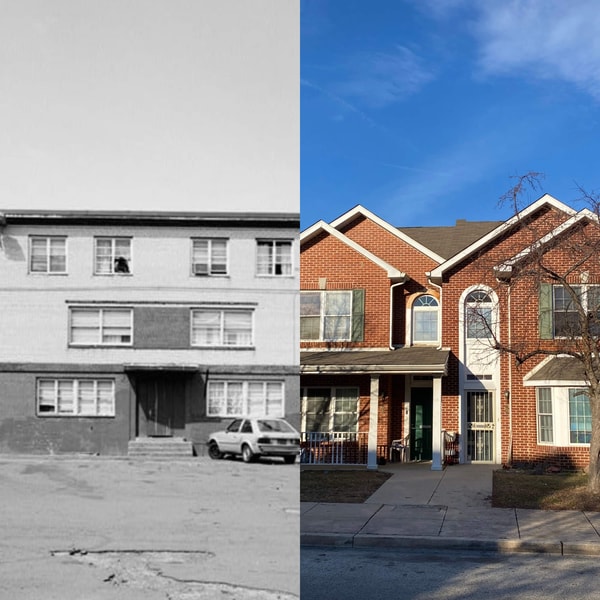
HOPE VI replaced isolated housing projects with mixed-income, street-integrated developments
14:47
14:47
Each additional year in HOPE VI raised kids' earnings by almost 3%
17:54
17:54
HOPE VI kids’ long-run gains stemmed from interacting more with well-off kids
23:59
23:59
HOPE VI integrated low-income and high-income kids with positive impacts on future outcomes
