The Last Of Us
Pop Culture Happy Hour
2025/05/26
The Last Of Us
The Last Of Us
Pop Culture Happy Hour
2025/05/26
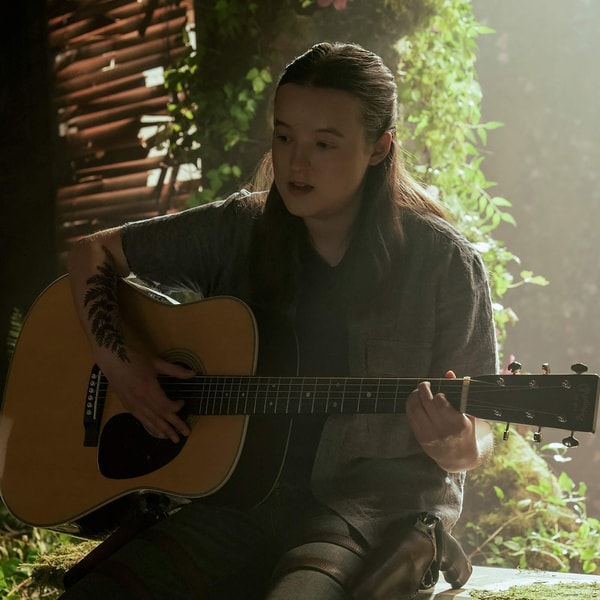
The second season of *The Last of Us* has arrived, and it's a bold departure from the emotional anchor of the first. With Joel gone and Ellie spiraling, the series dives deep into the consequences of survival in a broken world—where every choice carries bloodshed and no victory feels clean.
Season 2 confronts the aftermath of Joel’s fateful decision, leading to his death at the hands of Abby, a woman seeking justice for her own loss. This act propels Ellie into a harrowing journey of revenge, fracturing her relationship with Dina and destabilizing their hard-won peace. The narrative slows to explore moral ambiguity and the cost of vengeance, leaning on flashbacks that enrich Joel’s legacy but leave Ellie and Dina’s bond underdeveloped. While Catherine O’Hara’s performance stands out, the season’s bleak tone and pacing divide viewers. Thematically, it critiques cycles of violence and authoritarian control, mirroring real-world tensions between individual will and collective good. Though ambitious, the season feels more like a setup than a payoff, leaving audiences questioning where the story goes next—especially if future seasons shift focus away from familiar characters.
06:16
06:16
Joel's death removes the heart of the story and leaves emotional arcs unfulfilled
15:33
15:33
Catherine O'Hara brings a unique mix of drama and dry comedy to her role
18:12
18:12
Ellie’s pursuit of revenge mirrors Joel’s defiance of collective care, reinforcing the show's critique of authoritarian individualism
21:34
21:34
The Last of Us Season 2 offers a complex take on violence but feels padded.
