
Financial Expert: Passive Income Is A Scam! Post-Traumatic Broke Syndrome Is Controlling Millions!
The Diary Of A CEO with Steven Bartlett
2025/10/06
Financial Expert: Passive Income Is A Scam! Post-Traumatic Broke Syndrome Is Controlling Millions!
Financial Expert: Passive Income Is A Scam! Post-Traumatic Broke Syndrome Is Controlling Millions!
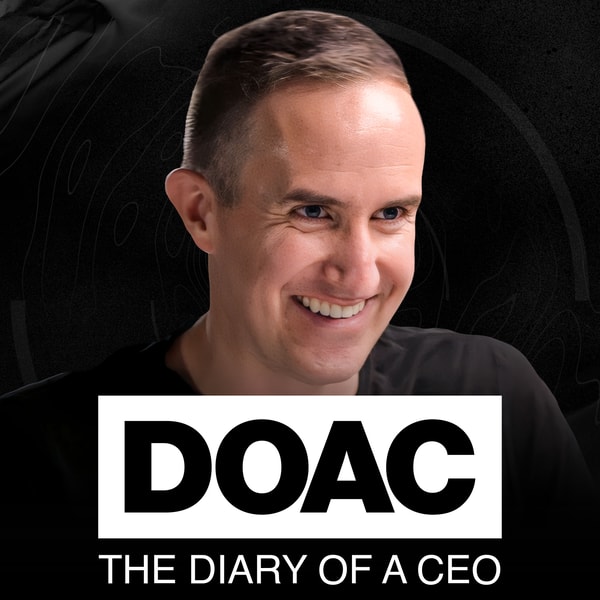
The Diary Of A CEO with Steven Bartlett
2025/10/06
In this insightful conversation, Morgan Housel delves into the psychological underpinnings of financial behavior, challenging common assumptions about wealth, happiness, and success. Rather than focusing on traditional investment advice, he explores how our emotions, upbringing, and social environment shape the way we earn, spend, and think about money.
Housel argues that money amplifies who we already are—it doesn’t transform us. True fulfillment comes not from accumulating wealth but from intentional spending aligned with personal values. He highlights how social comparison, envy, and the pursuit of status often drive overspending, while real happiness stems from relationships, purpose, and health. Financial independence is reframed not as total self-reliance but as having the freedom to choose meaningful dependencies, like family. The discussion debunks myths around passive income and early retirement, showing that purpose and engagement are more vital than savings alone. Dopamine fuels endless desire, making contentment a conscious choice rather than a financial milestone. Wealth inequality and social media distort reality, fostering dissatisfaction, yet resilience and empathy offer hope. Ultimately, lasting well-being comes from understanding oneself, minimizing regrets, and prioritizing gratitude over comparison—proving that the most valuable financial skill is emotional wisdom.
02:34
02:34
Spending is a psychological exercise, not just a financial transaction
04:44
04:44
Spending habits reveal what people have overcome
07:55
07:55
Wealth is relative and people care less about your possessions than you think
12:59
12:59
Admiring wealth without seeing the sacrifice is misleading
17:55
17:55
Money controls people's identities when financial habits go unchecked
19:43
19:43
Money is not a cure-all; it magnifies your current state.
27:35
27:35
The most independent people may be the unhappiest.
29:18
29:18
Having six months of expenses saved is a practical benchmark for medium financial independence.
31:14
31:14
If a neighbor wins the lottery, the probability of one going bankrupt increases due to social comparison and reckless spending.
33:22
33:22
Be cautious about socializing with others as you may anchor to their level of success
35:21
35:21
Each dollar saved is a piece of your future you control
41:14
41:14
Dopamine is the chemical of wanting, not happiness, and is essential for motivation.
46:09
46:09
The arrival fallacy means achieving a goal doesn't bring lasting satisfaction because new desires emerge immediately.
54:27
54:27
Many who retire early get bored because they lack purpose.
54:52
54:52
There are two ways to get wealthier: sacrifice more or want less.
55:57
55:57
The path to passive income comes down to sacrificing more or wanting less.
59:08
59:08
People with little or extreme financial knowledge tend to do better than those in the middle.
1:05:04
1:05:04
The rich are getting richer while the poor are treading water despite some post-COVID wage growth.
1:08:57
1:08:57
Social media enables public celebration of political violence, a shift from past norms
1:13:23
1:13:23
Social media has turned life into road rage, but face-to-face interaction brings people together.
1:22:04
1:22:04
The younger generation is more likely to recognize false information on social media.
1:23:43
1:23:43
Kids will have a better material life in 30 years despite economic chaos
1:25:28
1:25:28
Financial decisions should be reasonable, not just rational, considering personal emotions and life context.
1:29:37
1:29:37
Self-control is empathy for your future self
1:34:44
1:34:44
Coming home is the best part of our trips, revealing we enjoy travel less than expected.
1:37:29
1:37:29
Jack, the host's producer, wouldn't want the host's life despite its success due to the extreme demands on attention.
1:45:25
1:45:25
Elderly people regret not being nicer and spending more time with family, not making more money
1:51:56
1:51:56
Contentment, not happiness, is the deeper human goal
1:52:50
1:52:50
Our relationship with money is an attachment style that needs to be unlearned.
1:57:58
1:57:58
Gratitude comes from realizing how many of our expectations are already met.
2:02:08
2:02:08
Higher status brings more opportunities and revenue, leading to independence.
2:05:15
2:05:15
'The Art of Spending Money' uses stories to change how people think about spending and happiness.
