When our inflation infeelings don’t match the CPI
Planet Money
2025/08/15
When our inflation infeelings don’t match the CPI
When our inflation infeelings don’t match the CPI
Planet Money
2025/08/15
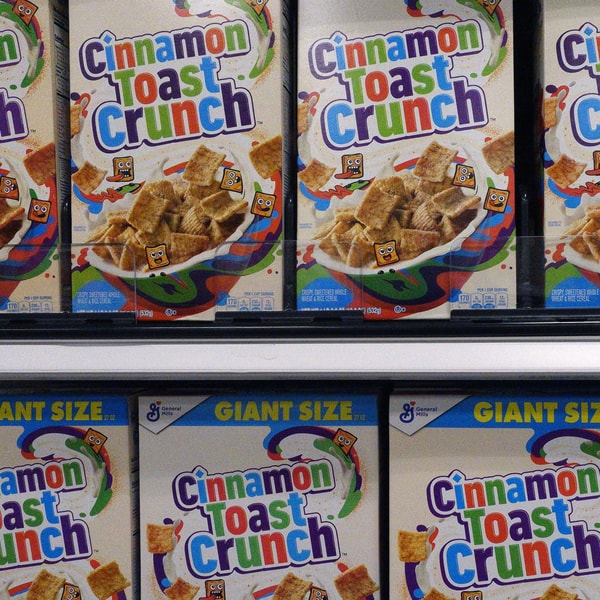
Inflation has become a deeply personal issue for many Americans, especially when it comes to everyday purchases like groceries. Despite official data showing that inflation has slowed, many people still feel the pressure of rising prices. This episode dives into why there's such a gap between the numbers economists use and the feelings consumers experience, particularly when they're faced with sticker shock at the store.
The podcast examines the emotional and psychological impact of inflation, especially how rising grocery prices have shaped public perception. It explores generational differences in experiencing inflation, with older Americans influenced by the high inflation of the 1970s and 1980s, while younger generations are confronting sharp price increases for the first time. The discussion also covers how personal inflation experiences often differ from official measures like the Consumer Price Index, which smooths out volatility in categories like food and energy. The show further explains how housing costs, especially rent, are measured in inflation statistics and why those figures may not match real-time market changes, contributing to the sense that official inflation data doesn't reflect reality.
00:00
00:00
Consumers continue to express anxiety about high grocery prices despite cooling inflation
08:45
08:45
Ulrike Malmendier studies how living through high inflation affects long-term economic expectations.
11:55
11:55
Core CPI excludes volatile energy and food prices to show overall inflation trends
20:58
20:58
Average rent in Chicago is about 29% higher than pre-pandemic levels
23:40
23:40
Owner's Equivalent Rent estimates the potential rental value of owner-occupied homes.