
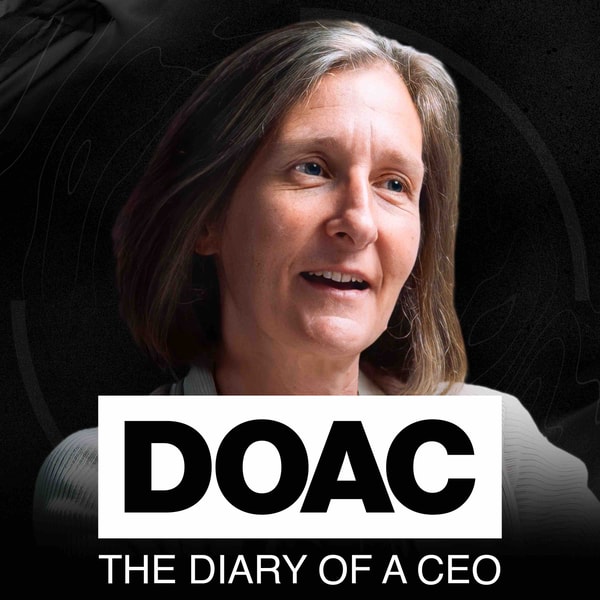
Dopamine Expert: Short Form Videos Are Frying Your Brain! This Is A Dopamine Disaster!
Dopamine Expert: Short Form Videos Are Frying Your Brain! This Is A Dopamine Disaster!
Dopamine Expert: Short Form Videos Are Frying Your Brain! This Is A Dopamine Disaster!
In this insightful conversation, Dr. Anna Lembke, a leading expert in addiction medicine from Stanford, unpacks the neuroscience behind modern compulsive behaviors and how our brains are being reshaped by an era of unprecedented pleasure and instant gratification.
Dr. Lembke explains that excessive dopamine release from digital technologies, substances, and AI-driven interactions disrupts the brain’s pleasure-pain balance, leading to anhedonia and dependency. She highlights how artificial rewards—like social media likes or AI companionship—override natural human connections, increasing isolation and emotional dysregulation. Vulnerability to addiction is heightened by trauma, ADHD, and early exposure to screens, especially in children. The brain adapts by downregulating dopamine, making recovery slow and challenging. However, she offers hope: a 30-day abstinence period can reset neural pathways, while strategies like pre-planning, social accountability, and radical honesty rebuild agency. Rather than relying on willpower, sustainable change comes from environmental design and small, consistent actions. Critically, even 'good' habits can become compulsive if they persist despite harm. Ultimately, regaining control involves restoring balance, embracing discomfort, and fostering real-world connections over digital illusions.
00:00
00:00
Addiction is a modern plague driven by our pursuit of pleasure
03:05
03:05
Addiction is the modern plague in the age of abundance
06:16
06:16
Addictive drugs release large amounts of dopamine, making the brain treat them as vital for survival
11:05
11:05
Individuals with marital or interpersonal conflicts are increasingly turning to AI for emotional validation and companionship.
19:04
19:04
AI can't offer real support in difficult situations
19:32
19:32
People are already giving up their agency to machines
22:23
22:23
Relentless pursuit of pleasure leads to anhedonia through brain recalibration
26:29
26:29
Excessive dopamine causes receptor downregulation, leading to tolerance and withdrawal.
28:51
28:51
Both high-stress and low-stress periods can trigger addictive behaviors based on personal history
30:49
30:49
Exposure to painful shock triggers relapse in addicted rats
31:53
31:53
People with childhood trauma or psychiatric disorders are more vulnerable to addiction due to self-medication.
32:59
32:59
Kids with ADHD have fewer dopamine receptors at baseline, similar to addicted individuals, indicating inherent craving tendencies.
34:26
34:26
ADHD behaviors are often coping mechanisms for unresolved childhood trauma and emotional stress.
37:24
37:24
AI companions for children create a false sense of parental insight and risk long-term social fragmentation.
40:12
40:12
Solving digital media harm requires systemic action beyond individuals
49:34
49:34
Neuroplasticity enables recovery of normal pleasure responses after abstinence
53:31
53:31
'Addictive personality' is real but the term is outdated; genetic risk is now the preferred framework.
54:22
54:22
Abstinence for 30 days can lower tolerance and restore the ability to experience reward from substances
56:24
56:24
By intentionally enduring pain, the body upregulates feel-good hormones and neurotransmitters.
59:07
59:07
Planning activates the prefrontal cortex, supporting delayed gratification and long-term goal pursuit
1:02:12
1:02:12
Relying solely on willpower is insufficient due to an abundance of temptations, as willpower is exhaustible.
1:04:26
1:04:26
Addiction involves compulsive overconsumption despite harm
1:05:11
1:05:11
Doing hard things first builds momentum and reduces reliance on pleasurable crutches.
1:07:10
1:07:10
I was watching Dr. Pimple Popper videos for hours without realizing it
1:16:23
1:16:23
It took 14 months for methamphetamine-addicted individuals to restore healthy dopamine transmission.
1:17:54
1:17:54
A rat will free a trapped rat unless it can self-administer heroin, showing how addiction overrides empathy.
1:19:23
1:19:23
Digital media addiction in kids can produce sociopathic-like behavior, reversible with abstinence
1:22:59
1:22:59
Dopamine is about 'wanting,' not 'liking' — repeated activation leads to deficit states and addiction.
1:26:27
1:26:27
Drugs hijack the brain's natural reward system for learning and novelty.
1:32:13
1:32:13
Lying to others means lying to oneself; radical honesty restores awareness and agency.
1:37:06
1:37:06
Admitting loss of agency is essential for recovery in addiction
1:44:53
1:44:53
Breaking big goals into small steps (the 1% philosophy) is key to success.
