
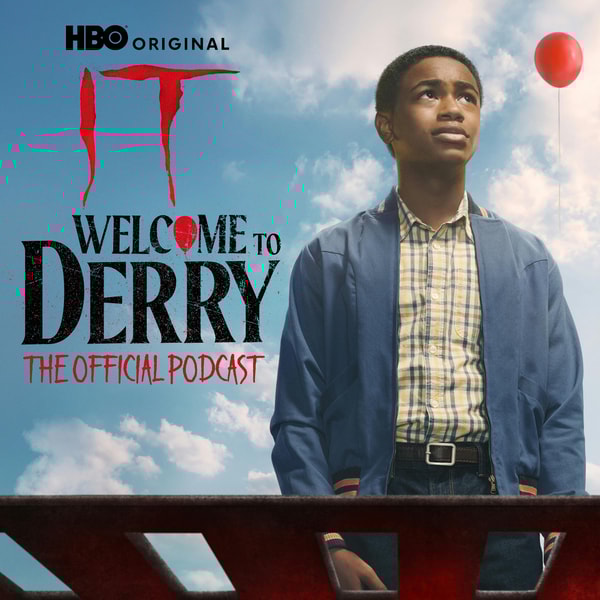
Ep. 3: “Now You See It” with Jason Fuchs, Brad Caleb Kane, and Kimberly Guerrero
Ep. 3: “Now You See It” with Jason Fuchs, Brad Caleb Kane, and Kimberly Guerrero
Ep. 3: “Now You See It” with Jason Fuchs, Brad Caleb Kane, and Kimberly Guerrero
In this episode, the haunting depths of Derry are peeled back layer by layer, revealing how personal trauma, cultural memory, and supernatural horror intertwine. The story stretches beyond individual fear, weaving in historical wounds and the power of resilience through the eyes of those long overlooked.
The episode delves into the blurred lines between reality and illusion in Derry, using Pennywise as a symbol of deeper societal horrors. Through characters like Rose and Dick Halloran, it explores identity, inherited trauma, and psychic awakening, grounding supernatural elements in emotional truth. The creative team expands Stephen King’s universe by integrating African-American and Indigenous narratives, emphasizing authenticity through collaboration with cultural consultants. Themes of colonization, love, betrayal, and reconciliation emerge as central to the town’s curse. Horror is reframed not just as terror but as a transformative force—capable of connection, healing, and resistance. By anchoring the story in real historical contexts and marginalized voices, the series elevates the genre into a powerful act of storytelling that confronts the past while offering hope for reconciliation and unity.
08:09
08:09
The U.S. government attempts to weaponize supernatural forces in Derry.
21:58
21:58
Cord Jefferson based the lead character on his own father.
24:34
24:34
Chris Chalk's performance elevates Dick Halloran's role significantly.
43:35
43:35
Rose knows — a phrase that captures the depth of Indigenous knowledge and foresight in the story.
49:15
49:15
Rose chooses duty over love, but the spark remains when she reunites with Francis.
52:19
52:19
Rose's story symbolizes the pain of betrayal and the universal need for human connection.
57:45
57:45
Storytelling distinguishes Homo sapiens and combats dehumanization.
58:41
58:41
Story is medicine, and horror can be good medicine when it brings people together.
