
Having good posture doesn't just mean sitting up straight
Life Kit
2025/11/11
Having good posture doesn't just mean sitting up straight
Having good posture doesn't just mean sitting up straight
Life Kit
2025/11/11
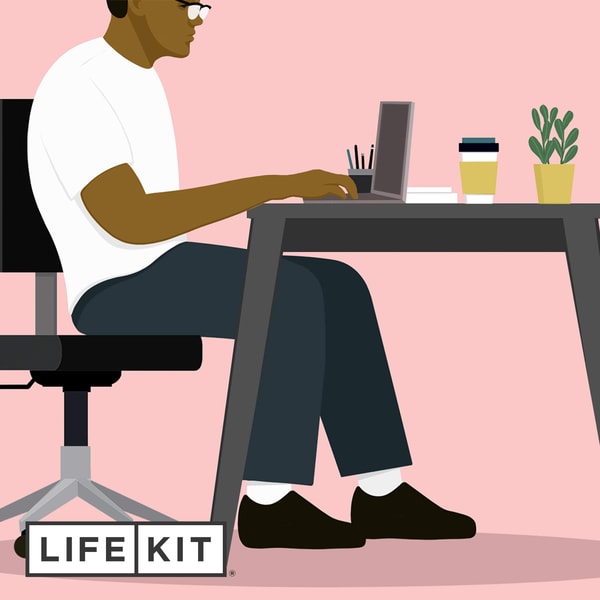
Many of us spend hours each day in front of screens, often unaware of how our bodies respond to prolonged sitting. While we may chase the idea of a perfect upright stance, the reality is that posture isn't about holding a single position—it's about how we move and adapt throughout the day.
Good posture isn't static; it's defined by movement and variation in positioning. Remaining in any one posture for too long—even one considered 'ideal'—can lead to stiffness and discomfort. Experts emphasize that postural health comes from dynamic alignment tailored to individual routines. Common asymmetries, like uneven weight distribution or habitual joint angles, stem from repetitive daily movements and can contribute to pain over time. Simple strategies such as the wall test help identify imbalances, while frequent micro-movements and workspace adjustments promote better alignment. Ergonomic tweaks—like setting monitors at eye level and keeping elbows at 90 degrees—are practical steps to reduce strain. Movement breaks and fidgeting are not distractions but essential tools for physical and mental regulation. Listening to small bodily cues, such as the urge to shift or stretch, helps correct hip and lower back misalignment. Ultimately, cultivating body awareness, adjusting environments, and normalizing natural movement are key to sustainable postural health.
06:22
06:22
The wall test reveals hidden alignment issues in your posture
11:53
11:53
Monitor at eye level, keyboard at 90 degrees, feet flat on the ground for optimal ergonomics
14:55
14:55
Fidgeting is a way to distribute load and meet the body's movement needs
