The President's Golden Share in U.S. Steel
Planet Money
2025/07/25
The President's Golden Share in U.S. Steel
The President's Golden Share in U.S. Steel
Planet Money
2025/07/25
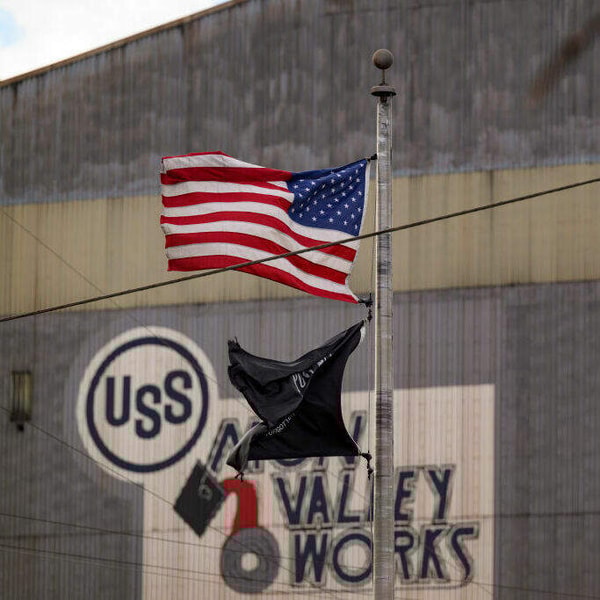
The sale of U.S. Steel to the Japanese company Nippon Steel ignited a fierce political debate, drawing reactions from both sides of the aisle and involving decisions from two U.S. presidents. What began as a corporate acquisition quickly became a national conversation about foreign investment, government control, and the future of American manufacturing.
The sale of U.S. Steel to Nippon Steel was initially blocked by President Biden on national security grounds but later approved by President Trump with a unique 'golden share' arrangement, giving the U.S. government veto power without ownership. This deal reflects broader shifts in how foreign investments are reviewed, particularly through CFIUS, and how governments use tools like golden shares to maintain influence over strategic industries. While the deal protects jobs and allows foreign investment, some economists worry it could deter future investment and complicate free-market principles in manufacturing.
02:55
02:55
President Trump approved the deal with a 'golden share' condition
06:12
06:12
CFIUS has historically focused on defense-related companies, as seen in the SoftBank-Sprint deal
19:16
19:16
Trump's approval granted the U.S. a golden share with veto power over major decisions
25:52
25:52
Companies taking such deals face substantial risk.