How hurricanes became a hot investment
Planet Money
2025/12/05
How hurricanes became a hot investment
How hurricanes became a hot investment
Planet Money
2025/12/05
In the face of escalating climate threats, countries and institutions are turning to an unconventional financial tool—bonds that don’t just promise returns, but are tied to the fate of natural disasters. What started as a niche idea has grown into a global market reshaping how we prepare for catastrophes.
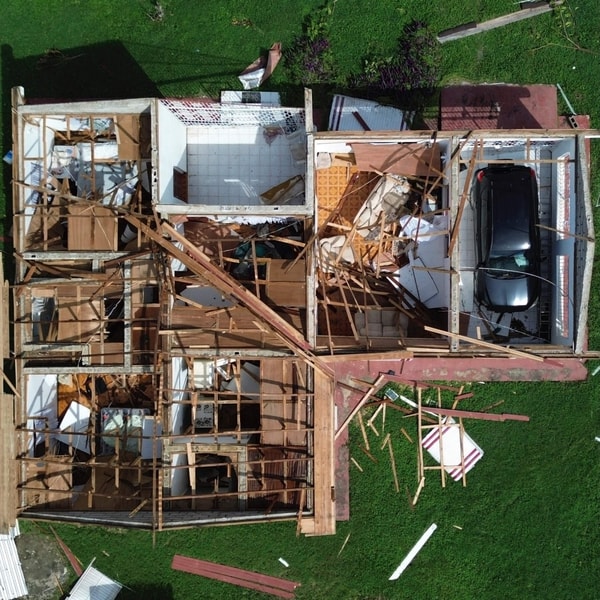
Catastrophe bonds have evolved from a skeptical experiment into a vital risk management tool, allowing governments and insurers to transfer disaster risk to investors. Pioneered by Karen Clark’s hurricane modeling, these bonds gained credibility after accurately predicting Hurricane Andrew’s devastation. Today, they offer high yields and portfolio diversification, attracting pension funds and insurers. The market now covers not only hurricanes but also pandemics, as seen with the World Bank’s pandemic bond launched after Ebola and later activated during COVID-19. Jamaica’s $150 million bond exemplifies their real-world impact—designed for extreme events, it recently paid out after Hurricane Melissa met its parametric trigger. Unlike traditional insurance, these instruments provide rapid funding, crucial for recovery. As climate risks grow, catastrophe bonds are expanding access to disaster financing, fostering resilience in vulnerable nations and transforming the global insurance landscape.
10:00
10:00
Karen's model predicted Hurricane Andrew losses accurately.
18:52
18:52
Cat bonds yield 8% to 13% and are used for hurricane coverage in Florida
24:30
24:30
The World Bank raised over $300 million from investors to help developing countries in case of a global pandemic.
25:26
25:26
The World Bank raised over $300 million through pandemic cat bonds in 2017, which triggered in 2020 for COVID-19 relief.
30:00
30:00
Hurricane Melissa triggered the bond, and Jamaica will receive $150 million.