
The Painful Psychological Cost Of Becoming A Dad - Darby Saxbe - #1129
Modern Wisdom
1 DAYS AGO
The Painful Psychological Cost Of Becoming A Dad - Darby Saxbe - #1129
The Painful Psychological Cost Of Becoming A Dad - Darby Saxbe - #1129
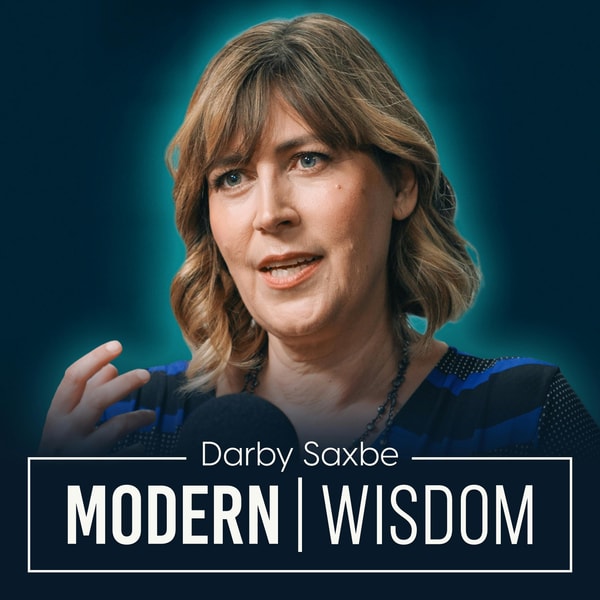
Modern Wisdom
1 DAYS AGO
This podcast explores the often-overlooked psychological and physiological transformations men undergo when they become fathers, challenging traditional narratives about fatherhood. Dr. Darby Saxbe, a clinical psychologist, discusses how caregiving actively reshapes a father's brain and hormones, and why this transition can be both challenging and deeply rewarding.
The discussion reveals that 'dad brain' is a real phenomenon, characterized by a loss of gray matter linked to parenting time and bonding, similar to but less extensive than changes in mothers. This neural remodeling is driven by hands-on caregiving behaviors like feeding and co-sleeping, which strengthen empathy and problem-solving networks. Testosterone levels drop in new fathers, reducing aggression and promoting nurturing. The conversation challenges the 'deadbeat dad' narrative, emphasizing that bonding can occur at any age through active engagement. It also addresses paternal postpartum depression, noting that about 10% of new dads are affected, often due to stress, sleep disruption, and hormone changes. The episode critiques modern parenting's isolation and lack of support, advocating for paternity leave and rejecting the myth that fathers lack innate caregiving ability. Ultimately, it frames fatherhood as a transformative, masculine role that builds long-term skills like empathy and caregiving.
00:00
00:00
Fathers lose about 1% gray matter in the cortex.
02:19
02:19
Fathers' parenting time has increased dramatically over recent generations.
11:27
11:27
Emotional stress makes delivery harder and more painful
12:57
12:57
Benefits some couples but challenges others
13:47
13:47
Couvade syndrome is more anecdotal than evidence-based
15:18
15:18
Having a baby won't fix relationship problems.
17:57
17:57
Becoming a caregiver creates 'dad brain' through practice.
24:18
24:18
Dad brain develops through intensive caregiving.
31:31
31:31
Non-involvement is a missed opportunity, not a fixed trait
33:48
33:48
Many non-residential fathers are still involved.
36:57
36:57
Bonding can occur at any stage if the father is present and engaged
45:15
45:15
True masculinity involves adaptability
46:44
46:44
Being a good dad is a manly act of guiding the next generation.
50:25
50:25
Brain volume loss recurs with a second child, but in different areas.
58:52
58:52
Socialization amplifies biological differences.
1:03:00
1:03:00
Stress contagion links partners' cortisol levels during conflict
1:11:51
1:11:51
Mental health is a family system.
1:15:29
1:15:29
Postpartum depression stems from an evolutionary-cultural mismatch
1:30:30
1:30:30
Self-optimization culture focuses on solitary activities, not on connection.
1:31:12
1:31:12
Fatherhood can reframe masculinity for the better.
