
How To Get Your First Customers
How To Get Your First Customers
How To Get Your First Customers
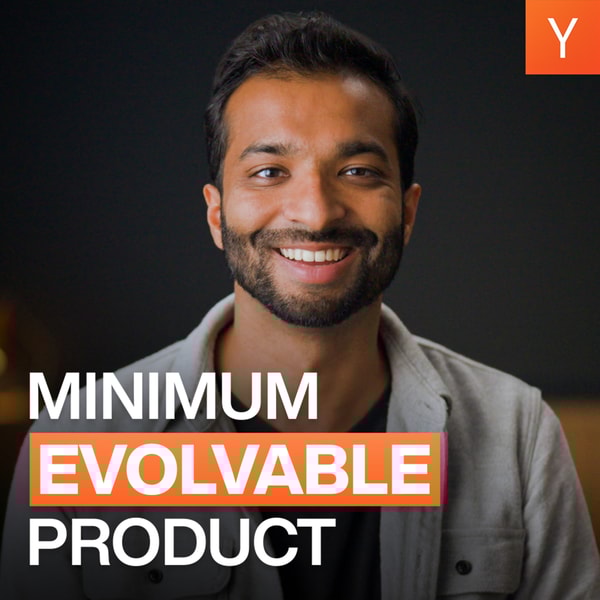
Launching a successful product today requires more than just a minimal feature set—it demands foresight, adaptability, and the right early user base. In this episode, Ankit Gupta reframes the traditional approach to early-stage product development by introducing a crucial evolution of the MVP concept.
The key to startup success lies in building a Minimum Evolvable Product—one designed not for perfection but for adaptation. Early users are critical, especially those with urgent problems or a willingness to experiment, as they provide real feedback that shapes the product’s trajectory. Charging from day one helps filter serious users and accelerates product-market fit. Startups should embrace churn and iterate quickly, using insights from early adopters to refine both features and business models. These users don’t just support revenue; they define the market. As demonstrated by Tesla’s Roadster, targeting passionate early customers enabled long-term innovation and scalability. Similarly, YC-backed founders use early feedback loops to evolve their products in ways that static planning cannot achieve. The core principle: start simple, stay resilient, and let real-world usage guide development.
00:46
00:46
The first users of a product are often those with urgent needs or a passion for innovation.
01:32
01:32
Charging real money early provides sharper feedback from paying customers.
02:10
02:10
Talk to early users to make them love the product and fix issues when they're annoyed.
03:40
03:40
Early users shape product evolution by providing critical feedback and usage insights
04:22
04:22
The first version of a product should be a Minimum Evolvable Product.
05:16
05:16
The product must survive contact with early users and adapt quickly.