
Rereading Pride & Prejudice
Pop Culture Happy Hour
2025/12/02
Rereading Pride & Prejudice
Rereading Pride & Prejudice
Pop Culture Happy Hour
2025/12/02
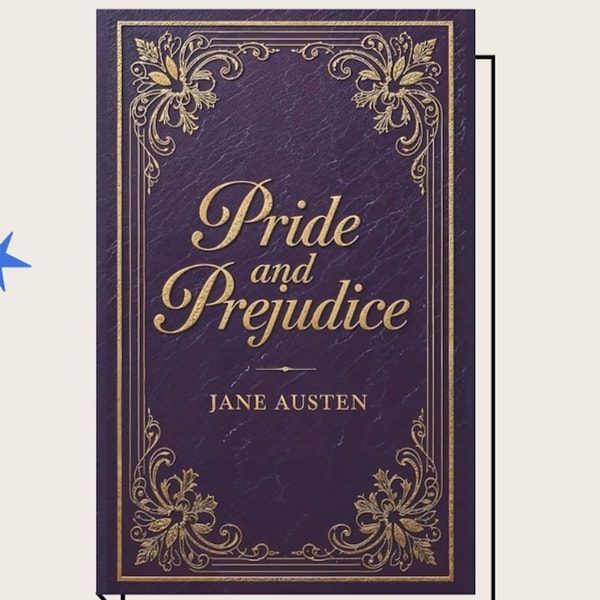
This episode dives into the enduring magic of Jane Austen’s Pride and Prejudice on the occasion of her 250th birthday—exploring why this two-century-old novel still sparks laughter, swoons, and sharp cultural reflection.
The discussion unpacks how Pride and Prejudice transcends romance to offer incisive commentary on class, gender, and economic reality in Regency England. Elizabeth Bennet’s intelligence and agency are framed not as modern exceptions but as quietly revolutionary within her world—her marriage to Darcy emerging from mutual growth, not capitulation. The podcast clarifies that while Austen didn’t invent the 'enemies to lovers' trope, she perfected its psychological authenticity: misunderstandings are rooted in social conditioning, and reconciliation demands humility and self-awareness. Adaptations often soften these edges—romanticizing Darcy or ridiculing Mrs. Bennet—obscuring Austen’s critique of systemic precarity for women. Finally, the conversation traces the novel’s living legacy: from Bridget Jones’s Diary to Red, White, and Royal Blue, its core tensions—between duty and desire, perception and truth, independence and interdependence—continue to shape stories that feel urgently contemporary.
08:31
08:31
Elizabeth Bennet is an 'I'm not like other girls' archetype, predating modern iterations by nearly two centuries
11:18
11:18
Mrs. Bennet is pragmatic, not silly—she understands marriage as economic necessity
22:24
22:24
Darcy's brutal honesty about his love for Elizabeth and her family triggers her negative reaction, requiring new information to repair their relationship
25:32
25:32
Pride and Prejudice is compared to listening to the Beatles or reading the Bible for its cultural influence
